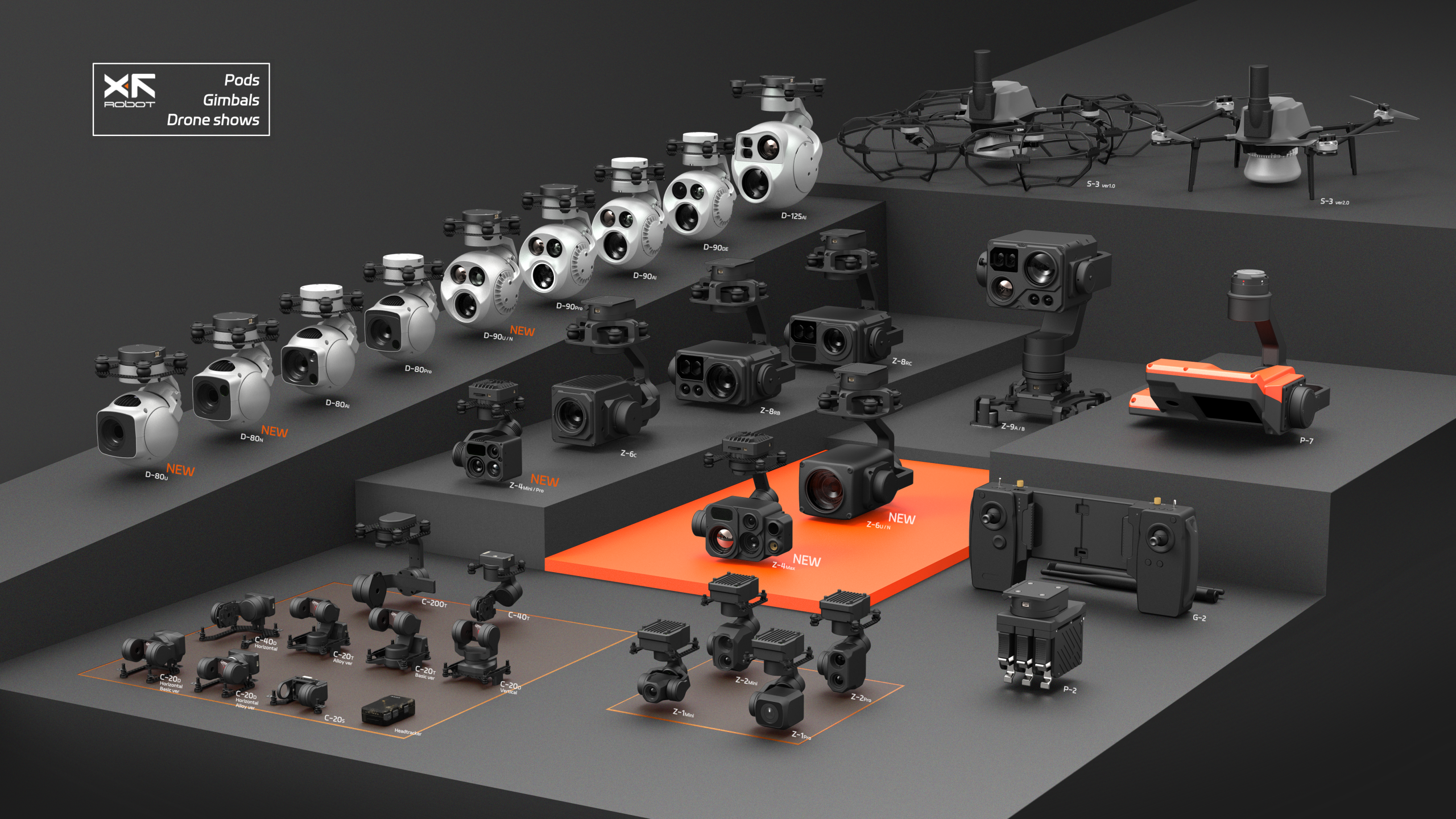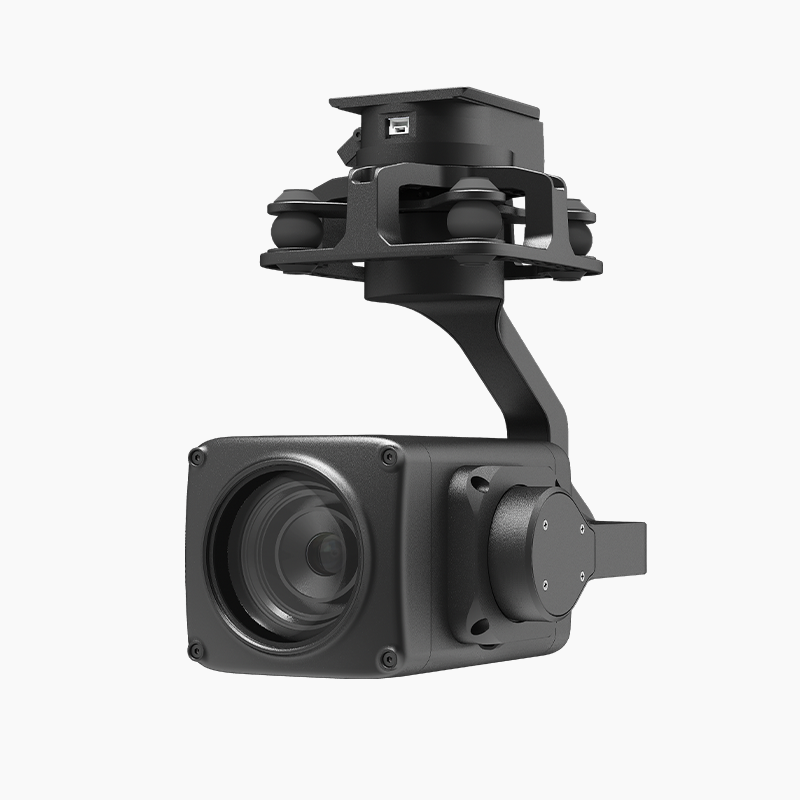
Greetings concerning such comprehensive analysis on balancing mechanisms plus radiation monitoring for robotic vehicles.
Mount Advantages related to Aerial Vehicle Recording Advances
Remote-Controlled devices are seeing remarkable improvements in camera capabilities. Refined gimbal designs now enable incredibly consistent footage, notwithstanding turbulent atmospheres. Furthermore, the melding of thermal imaging offers expanded opportunities for evaluation in fields like restoration, providing valuable information beyond what traditional light cameras can collect. These fused technologies are significantly revolutionizing the sector of aerial photography.
Peering into the Gloom: UAV Devices with Thermal Vision & Balancing Mechanisms
The up-to-date landscape of unmanned aerial systems is being renewed by advancements in camera capabilities. Specifically, the combination of night vision systems and advanced gimbal suspension allows for unprecedented visibility during nighttime missions. These robust cameras, often utilizing infrared sensors, can see through darkness, providing crucial intelligence for security purposes. Furthermore, the gimbal framework dependably minimizes wobble, resulting in considerably even footage even in adverse conditions. Parameters like sharpness and refresh rate are increasingly paramount for superior capability.
- Boosted Contextual Perception
- Higher Radius of Service
- Thorough Information Acquisition
Aerial Vehicle Camera Analysis: Gimbal, Infrared-Based Monitoring, Optical & Low-Light Surveillance
Selecting the correct flying machine camera is a multifaceted selection. Reflect on the different versions available: mounted systems provide smooth, flawless footage; radiometric cameras shine in limited conditions by spotting heat signatures; close-up lenses facilitate you to magnify distant elements; and darkness vision abilities utilize state-of-the-art technology to acquire imagery in reduced light. The preferable fusion depends on the aimed use.
Our Emerging of Robotic Optical Devices: Blending Heat-Sensing & Twilight Monitoring
Generally, UAV devices targeted on natural light tracking. Yet, innovative requirements in areas particularly rescue & aid demand enhanced environmental facts. Combining infrared-based cameras alongside night monitoring capabilities gives professionals a crucial upper hand, providing the operator to spot elements hidden from conventional luminescence. One integration highly advances mission gimbal stabilizer efficiency across a large range of operations.Support Solidity Meets Thermal Vision: A Emerging Era for UAV Imaging
That recent moment in drone vision arisen, prompted by a merging alongside high-tech suspension technology with sensitive temperature observation. The jumble provides experts to capture sharper thermal information on unmanned vehicles, notwithstanding rough aerial factors, unveiling new capabilities between distinct areas specifically assessment, emergency as well as precision crop production.
Autonomous Aircraft Camera Variable Focus Capabilities: Optimizing Span & Dark Perception
Advancements in Pilotless Device technology are constantly enhancing camera focus adjustment features, but a vital challenge involves balancing scope and shadow detection. Extending that variable focus to record distant objects often affects shine sensitivity, resulting in clear gloomy imagery difficult. Designers are studying advanced approaches, adopting advanced telephoto blueprints and processing enhancements, to diminish noted drawback and extend crisp imagery at diverse distances, even under insufficient radiance conditions.
Electing an Right UAV Observation System: Support, Infrared, & Close-Up Elements
When deciding on your UAV optical instrument, diverse key criteria need to be judged. Your secure dampening platform is essential for seamless drone cinematography , particularly in blustery situations. Thermographic sensors furnish important awareness for applications like assessment and search tasks. Finally, close-up capacity potential empower enhanced images of items, however extended long-distance view often produces decreased picture sharpness and entails additional luminosity.
{Night Vision UAV Cameras: Enhanced Protection with Dampening Support
Advanced autonomous flying machines are transforming security missions with the deployment of night vision systems. Essentially, mount aid delivers exceptional firmness for the photography instrument, allowing clear video even in hard conditions or during piloting. This aspect significantly improves security capability and grants a fundamental advantage for public safety and different institutions requiring steady nighttime monitoring.
Refined Robotic Monitoring Systems: Integrating Optical Heat & Dark Sensing
Modern pilotless machines are progressively equipped with state-of-the-art camera assemblies that outshine basic recording. These revolutionary solutions regularly employ a amalgamation of dynamic technologies, comprising variable magnification capabilities for meticulous inspection, temperature imaging to reveal thermal anomalies, and night vision technologies to assist operation in complex scenarios. This fusion provides handlers with a major edge in multiple applications, from search and rescue to infrastructure inspection and threat detection.